Ralph Duesing Architect Home

Category

Investment & Value

11 articles

Twelve Questions to Ask Before You Sign With an Architect

Twelve Questions to Ask Before You Sign With an Architect

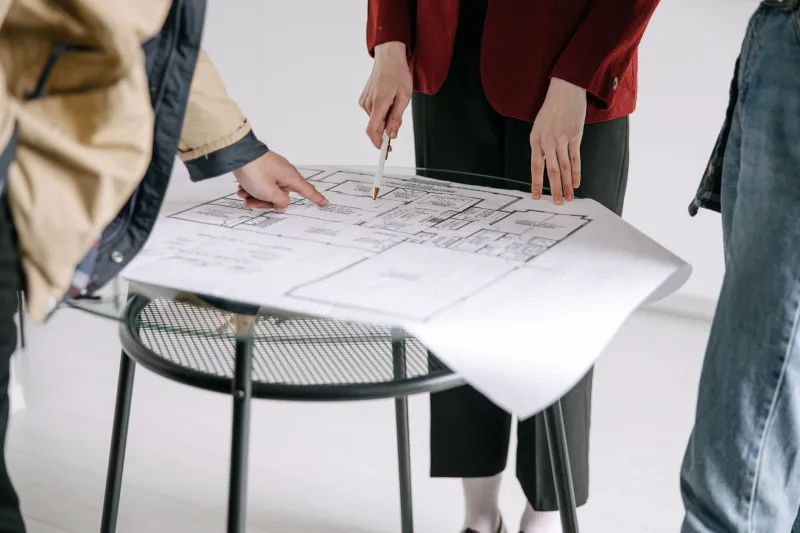
Hiring an architect is one of the most consequential financial decisions a homeowner or small business owner will make, yet few know what to ask before signing a contract. This field guide offers twelve questions, what strong answers sound like, and the red flags that should give you pause.

When Design Expires: The Long-Term Cost of Chasing Architectural Trends

When Design Expires: The Long-Term Cost of Chasing Architectural Trends

Trend-driven design may generate immediate excitement, but the financial and functional costs of spaces built around fleeting aesthetics often reveal themselves within a single decade. This piece examines how the pursuit of visual novelty undermines long-term property value and livability, and why architecturally grounded work continues to outperform fast design over time.

Architecture Without Assumptions: Building Spaces That Remain Useful as Life Changes

Architecture Without Assumptions: Building Spaces That Remain Useful as Life Changes

A building's long-term value is inseparable from its capacity to absorb change without expensive intervention. Through deliberate strategies in layout, structure, and systems design, architects can create spaces that adapt gracefully to shifts in how people live and work—protecting both the client's investment and the building's relevance across decades.

The Architecture of Retreat: Designing Dedicated Personal Spaces Within the Modern Home

The Architecture of Retreat: Designing Dedicated Personal Spaces Within the Modern Home

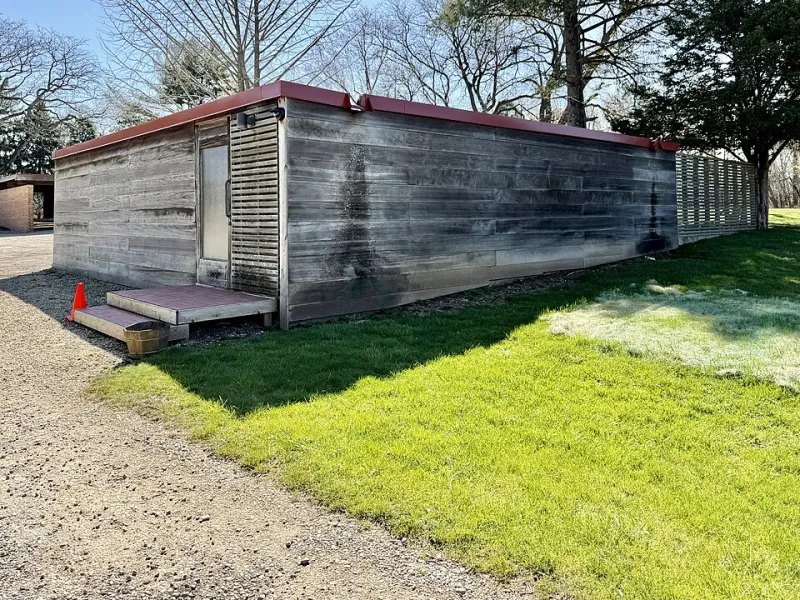
The contemporary American home has been thoughtfully planned around communal living and shared utility, yet it frequently neglects one of the most fundamental human needs: a space that belongs entirely to the individual. Integrating dedicated personal retreats into residential design — spaces for creative work, quiet reflection, or physical wellness — is not an indulgence but a sound architectural investment in long-term quality of life. This article makes the case for why every home deserves at

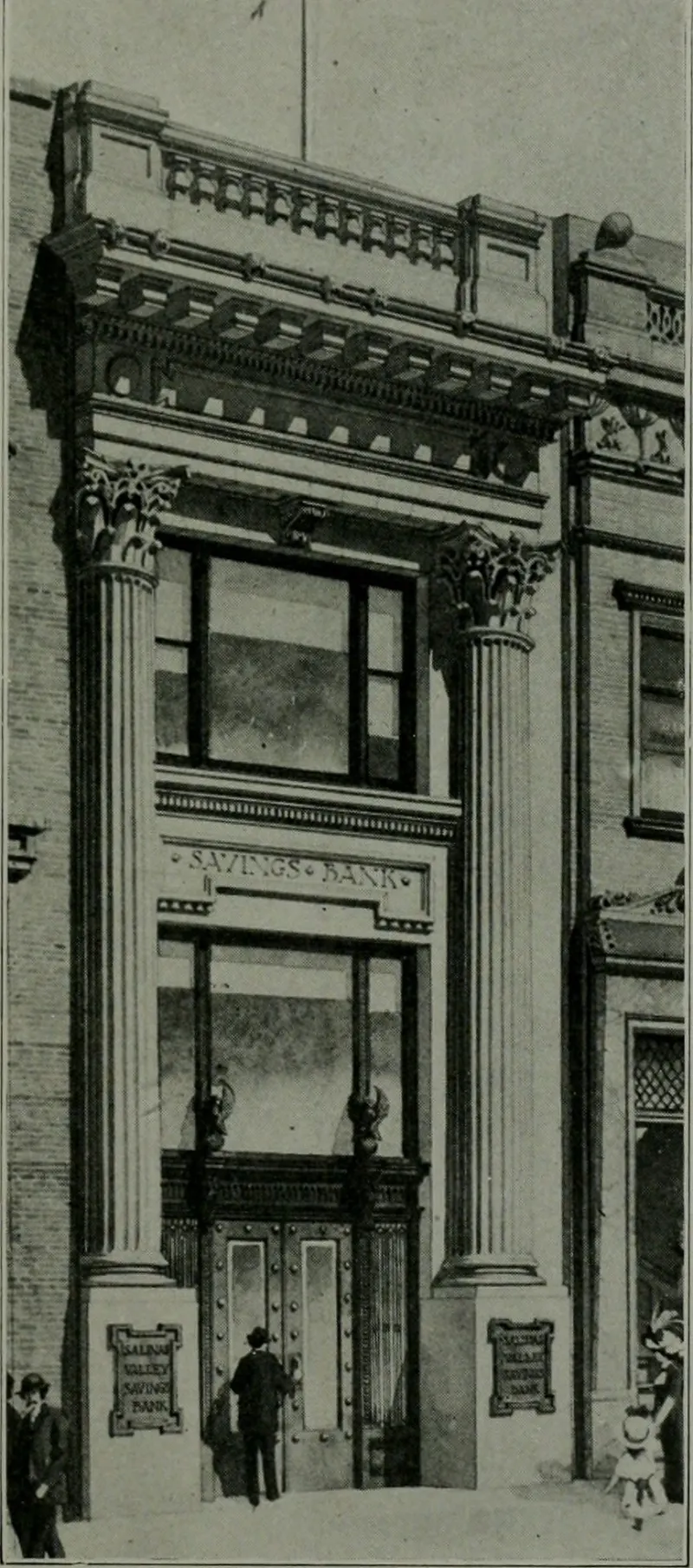
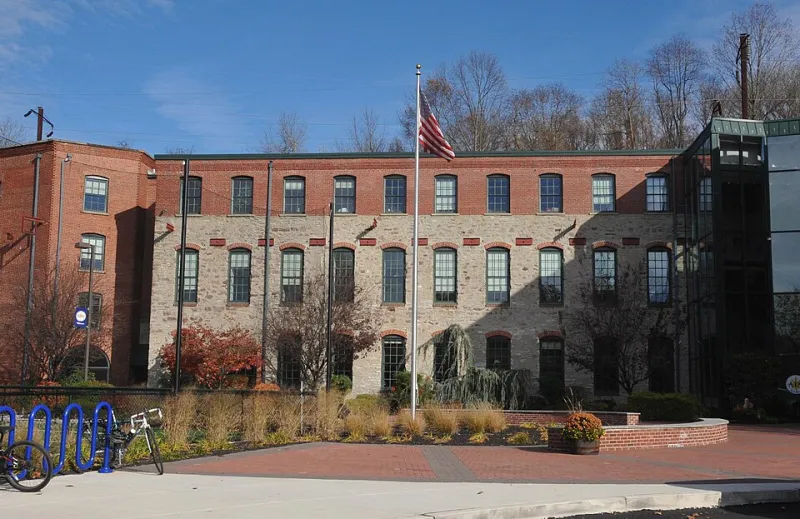
The Architecture of Memory: Why America's Oldest Buildings Deserve a Second Life

The Architecture of Memory: Why America's Oldest Buildings Deserve a Second Life

Across the United States, thousands of warehouses, factories, churches, and civic structures stand underutilized or vacant—repositories of craftsmanship and community history that conventional development economics have struggled to justify preserving. Adaptive reuse offers a compelling alternative: a design-forward strategy that honors what was built while making it viable for what is needed. Ralph Duesing Architect examines why transforming existing structures is not merely an act of preservat

The 30-Year Dividend: Making the Financial Case for Enduring Architectural Quality

The 30-Year Dividend: Making the Financial Case for Enduring Architectural Quality

In an era of compressed construction timelines and relentless cost pressure, the argument for investing in quality architectural design can seem counterintuitive — until you examine what buildings actually cost over their full lifespans. Material selection, adaptive planning, and timeless design judgment are not premium indulgences; they are long-term financial strategies that protect property values and reduce the compounding expense of deferred renovation.